From Pilots to Proof: What Healthcare’s 2026 AI Data Means for Choosing Safe, Useful Tools
One statistic completely changed how I evaluate healthcare AI vendors: only around 5% of published LLM evaluations used real patient data.

One statistic completely changed how I evaluate healthcare AI vendors: only around 5% of published LLM evaluations used real patient data.

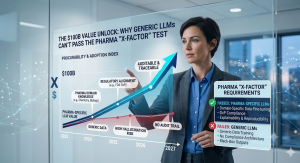
Generic LLMs give you 10% faster decks. Pharma‑grade AI gives you 2–5x throughput and a clean FDA inspection. Which do you want?

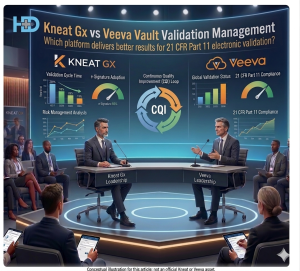
A single validation software decision doesn’t just pick a tool; it defines where your URS‑to‑PQ lifecycle runs, how easily teams capture evidence and signatures, how inspectors see your Part 11 controls, and how painful it is to scale validation across sites.

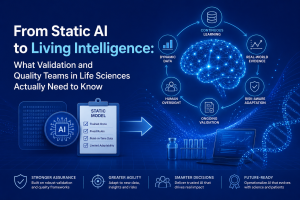
In 5 years, the most valuable people in Life Sciences won’t just understand validation.
They’ll understand how to govern intelligence that evolves.
That distinction sounds subtle.
It isn’t.
It changes everything about risk, compliance, monitoring, and quality oversight.

27 months. That’s how quickly a European AI roadmap can slip if you misread the EU AI Act—and the coming delay could cost you even more

Recently, one of our readers reached out with a very practical question about digitalising QA: they were choosing between Kneat and ValGenesis as validated software